Seeking Novel Innovations for Self-healing Refractories
Opportunity types being sought:
Refractories are materials that are resistant to decomposition by heat, pressure, or chemical attack, and retain strength and form at high temperatures (> 1200°C). They are made mainly of oxides (e.g., MgO, Al2O3 and SiO2), with a fine matrix and grains up to a few millimetres depending on the product line. Various binders are also used depending on the product line and application.
Current examples of self‑healing refractory technology include oxidation induced healing (e.g., using additives such as SiC and B4C), material expansion (e.g., in situ Al2O3-MgO spinel formation), and liquid refractory interactions (e.g., slag splashing to coat and protect the refractory lining). RHI Magnesita is looking for innovative solutions for refractory products in which damage mechanisms trigger the complete recovery of functionality, and additives which block/prevent wear mechanisms from growing.
Approaches of Interest:
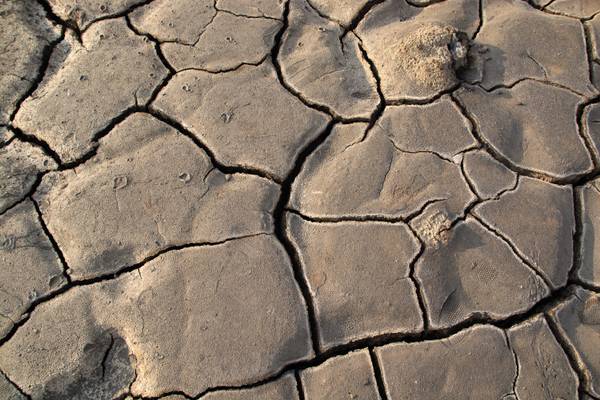
- Main damages to tackle are cracks opening due to impact and thermal shock loads, and corrosion of the fine matrix by slag attack
- Target impact includes prolonging product lifetime, enhancing performance, higher reliability, and reducing maintenance, inspection intervals and machining
- Open to self‑healing technologies from other industries (e.g., ceramic and aerospace) if applicable to refractories
Out of Scope:
- Innovations that include the use of toxic materials, changing of a customer process (e.g., changing the processing parameters for the steel fabrication) or ideas that are already present in industry practice
Stage of Development:
- Technology readiness level at TRL 1‑3 is of interest. Technologies at TRL 4 and above are still of interest if they are innovative to the refractory industry
Submission Information:
Submission of one page, 200-300 word briefs are encouraged, along with any optional supplementary information e.g., relevant publications and patents. In submitting to this campaign, you confirm that your submission contains only non-confidential information. Please note that submission of academic expertise must include some information of how the academic partner can work with RHI Magnesita on this proposal.
Opportunity for Collaboration:
RHI Magnesita is open to a range of collaboration opportunities, with the most appropriate outcome being decided on a case-by-case basis. Example outcomes include licencing assets, research collaborations, and project/PhD funding.